

“Handy” Tricks to Improve Your Handwriting
Turn your mess of scribbles into orderly, neat lines.
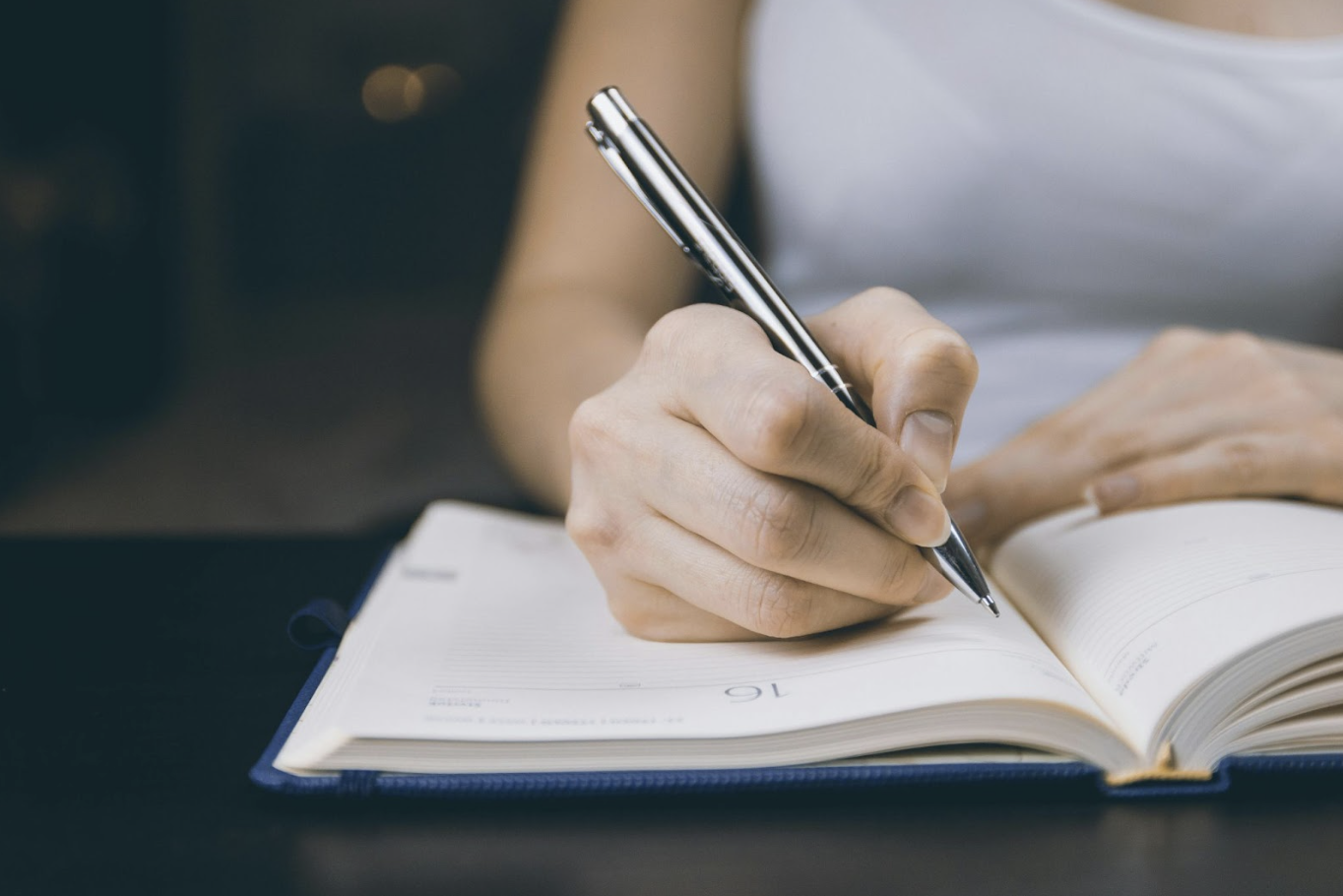
Handwriting is an essential part of our lives. We write in school, in work, in our houses, and way more. Think about it: how often and when do you handwrite? If your handwriting is messy and scribbly, you can get points deducted for messy and untidy work. Many children these days have problems like this. Most don’t care, though, and don’t even try to fix it! But be warned, if you don’t, it can become a long-term habit and absolutely ruin your life later on. So, I’ve compiled a step-by-step manual that you can use to fix up your handwriting! But first, why do you need handwriting, you ask? Well, that’s simple.
Handwriting is an essential part of our lives. We use it in school as kids a lot. But as you get older, you may find yourself looking more to computers than a boring old sheet of paper. This is understandable, but you will need handwriting, even later in life! Why? Handwriting can boost your cognitive abilities, such as decision-making and even thinking about things in general! Also, practicing often and on a daily basis will help brain development and health, which further helps you stay healthy when you’re old and frail. Also, when you write by hand, it stimulates your brain, helping you learn quicker and improve your memory. Forgetfulness is a problem for many adults, and journaling often can lessen the effects at least a little. And finally, we all know that handwriting obviously improves your fine-motor skills. Writing tinily on a piece of paper by making scratches with pieces of charcoal? If that doesn’t improve your fine-motor skills, then I don’t know what does! Fine-motor skills help not only your hand, but your whole body, make fine, meaningful slight adjustments and tiny movements.
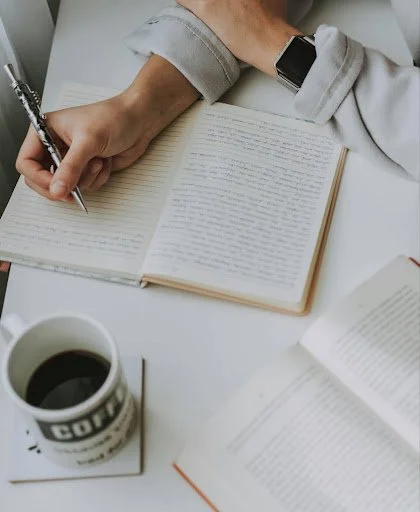
Alright. Now for the how-to.
Start with writing on a sheet of paper. Try to make your letters neat, straight, and tall and proud, as well as symmetrical. This can help with consistency and symmetricality, like size control and letter formation. This step may take you more than one day. In fact, it took me around a week to master this technique, back when my handwriting was really a mess. (For more info on my handwriting improvement, look at the photo library)
Once you’ve gotten your handwriting neat and symmetrical, it’s optimal to practice more and more so that your handwriting becomes steadily consistent.
Once you’re finished with that step, you can add personal touches and change up the font the way you like, such as writing your Y’s with a little swirl on the bottom or circling the dot on your I. Personal touches can be a unique way to express your style and creativity. Writing can be used as a tool for creativity as well!
Now some general tips to improve your handwriting. These are probably going to be a lot faster than that step by step that I gave you.
Write out each letter of the alphabet only once, focusing on accuracy.
Write for a planned duration of time. Try to keep writing and not stop, improving your endurance.
Hold your pen steadily, with a loose and relaxed grip so that your hand doesn’t tire quickly.
Use a worksheet or trace over fonts you like so that you can use them in your handwriting, too. Some examples are:
Caveat (Classy and eccentric; great for informal yet authentic personas)
Reenie Beanie (More natural and flowy; perfect for freelance writers that still want an improved script)
Zeyada (Big loops and more free, perfect for practicing cursive in a beginner level)
Comfortaa (Just a personal favorite, with rounded edges and a bubbly look, I base my writing off this font)
Just a side note: since all of these fonts are accessible on Google Fonts, just click on the font name and it’ll take you right there, where you can download a PDF with the sample sentence and print the font to trace over!
Also, Google Fonts has a helpful search engine that you can use to search up fonts that you like, making it easier to access more fonts.
And the cart feature provides a base where you can keep all the fonts you like and pick a few while looking at all of them.
Try changing the angle of your paper (not only vertical, maybe sideways or 45˚).
Use lined paper. It can help keep your lines straight. (If you don’t have any, use a graph paper or make lines on blank paper with a ruler and write on those).